How Changing What You Eat Can Transform Your Gut Microbiome (and Your Health)
Jan 27, 2026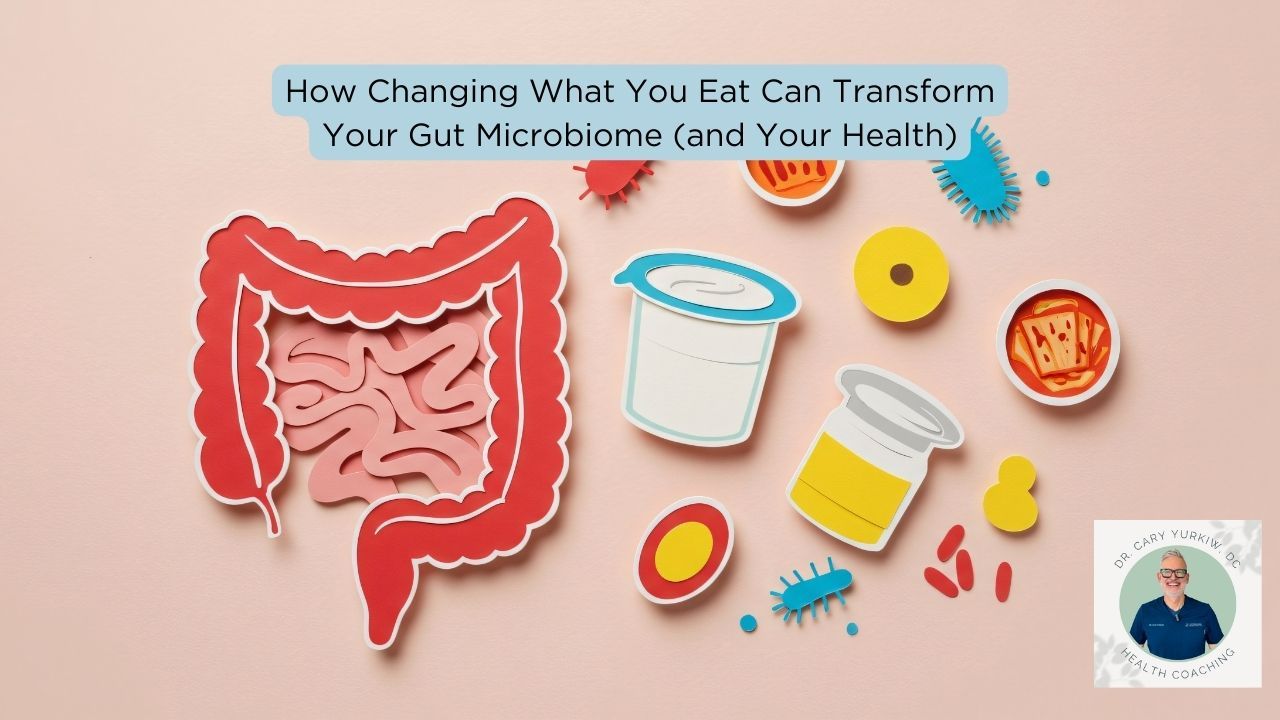
Why the Gut Microbiome Matters More Than You Think
Your gut microbiome—made up of trillions of bacteria, viruses, and microbes—plays a central role in digestion, metabolism, inflammation, and even mood. What many people don’t realize is how quickly this system responds to what you eat.
In fact, research shows meaningful changes in gut bacteria can occur within 24–72 hours of changing your diet. This means your daily food choices are constantly shaping your internal environment—for better or worse.
How Food Directly Changes Your Gut Microbiome
1. Fiber Feeds the “Good” BacteriaDietary fiber from vegetables, fruits, legumes, and whole foods is the primary fuel for beneficial gut bacteria. These microbes ferment fiber into short-chain fatty acids (SCFAs) like butyrate, which:
-
Strengthen the gut lining
-
Reduce systemic inflammation
-
Improve insulin sensitivity
-
Support fat loss and metabolic health
Low-fiber diets quickly reduce microbial diversity—one of the strongest markers of poor gut health.
2. Protein Quality Shapes Bacterial Balance
Protein is essential, but source matters:
-
Fish, poultry, eggs, and plant proteins tend to support healthier microbial profiles
-
Heavy reliance on processed meats may encourage inflammatory species
A varied protein intake creates a more resilient gut ecosystem.
3. Fat Type Matters More Than Fat Amount
Healthy fats such as olive oil, avocado, nuts, and omega-3s from fish encourage anti-inflammatory bacteria.
Highly processed oils and excess fried foods can push the microbiome toward patterns associated with metabolic dysfunction.
4. Sugar and Ultra-Processed Foods Act Fast
Refined sugars and ultra-processed foods feed less favorable microbes and can:
-
Increase cravings
-
Worsen blood sugar control
-
Promote gut inflammation
Artificial sweeteners may also disrupt gut bacteria in certain individuals, even without calories.
5. Fermented Foods Add Helpful Microbes
Foods like yogurt, kefir, sauerkraut, kimchi, and miso introduce live cultures that:
-
Improve microbial diversity
-
Support digestion
-
Enhance gut barrier function
Even small daily amounts can have meaningful benefits.
How Quickly Can You Improve Your Gut Health?
- 24–72 hours: Microbial activity begins to shift
- 1–2 weeks: Measurable population changes
- 4–8 weeks: More stable, long-term remodeling
The gut microbiome is adaptive, not permanent—good news if you’re ready to make changes now.
Practical Nutrition Strategies That Work
Here are simple, effective steps I use with health-coaching clients:
Aim for 25–35 grams of fiber daily from diverse sources
-
Include 1–2 fermented foods per day
-
Rotate protein sources throughout the week
-
Prioritize whole foods over ultra-processed options
-
Stay hydrated—water supports proper fermentation and digestion
These changes work whether your goal is weight loss, better digestion, more energy, or metabolic health.
Gut Health, Weight Loss, and Long-Term Results
A healthier gut microbiome is strongly linked to:
-
Easier weight regulation
-
Reduced inflammation
-
Better mood and mental clarity
This is why sustainable weight loss is not about shortcuts or medications alone—it’s about creating an internal environment where your body works with you, not against you.
Ready to Improve Your Gut Health Naturally?
If you want a clear, realistic plan tailored to your lifestyle—whether that includes intermittent fasting, lower-carb eating, or rebuilding gut health after years of dieting—I can help.
Health Coaching Contact
 Phone: 778-215-9310
 Website: www.drcaryyurkiw.com
Start with your gut—and let everything else improve from there.
Ready to achieve your personal and professional goals? Contact us today to book your free consultation and start your journey!
Stay connected with news and updates!
Join our mailing list to receive the latest news and updates from our team.
Don't worry, your information will not be shared.
We hate SPAM. We will never sell your information, for any reason.
